First, the uncomfortable part nobody talks about
People treat better-looking people better. Unconsciously, and all the time.
They offer better terms. They forgive more. They smile sooner. It isn't a moral failure, it's built in.
And it starts before you're even aware of it. An infant looks longer at a more attractive face than at a less attractive one. Reading faces is one of the first things a person learns.
And it doesn't end in the cradle. It's been reported that roughly 58 percent of CEOs of large companies are over 183 centimeters tall, while only about 14 percent of men in the general population are. And that more attractive waitresses get significantly higher tips for the same work.
Pause on that, because everything else follows from it. If reading faces is this old and this fast, it has to be reading something. Something worth recognizing.
And here's the answer
It reads health.
Every single thing the cosmetics industry tries to imitate is a marker of health. A sharp jawline. Clear skin. High cheekbones. Upright posture. Symmetry. Thick hair.
None of it is surface. All of it is output.
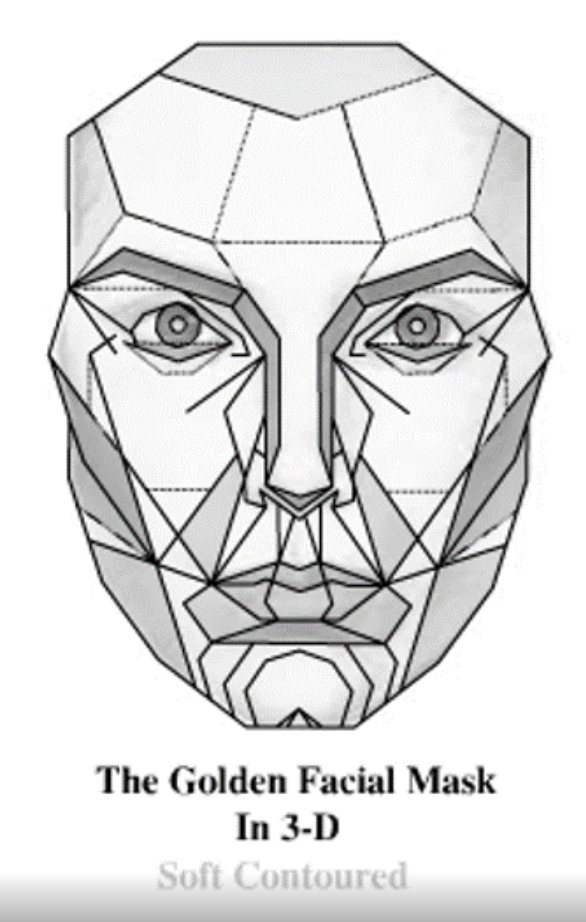
This isn't a guide to how a face should look. It shows one thing: that the geometry is in the bone. Built during growth, and after that nothing you put on yourself can move it.
The output of certain processes running right in the body for years. Enough minerals in the facial bones. An open nasal airway that got to develop. Working lymph. Hormonal balance. Strong connective tissue. And mechanical forces acting on the bone throughout growth.
And this is what makes this whole section an argument, not an opinion.
These signals can't be convincingly faked, because they're structural, not superficial.
Facial bone geometry can't be made with a cream. A jawline can't be made with contouring. Upright posture can't be made with a posture corrector.
A billion-dollar industry is built on this, and it's built on one mistake
That looks are a surface property you can apply from the outside.
They aren't. The industry doesn't produce those results. It produces a temporary appearance of them, while the biology that would build them on its own keeps deteriorating.
And the second thing worth saying out loud: the genetic potential for a fully developed face and body is in everyone. No exceptions.
The question is never whether the potential is there. It's whether the conditions were there for it to show. For most people raised in a modern environment, they weren't. And it's missing exactly where the industry then steps in to make up for it.
A note on what this field used to be called
Reading health and character from the structure of the face has a name older than modern science: physiognomy.
It fell out of academia because it was abused. It was used for racial theories and for judgments about character that had no mechanism behind them. That abuse was real, and there's nothing to defend.
But the observation underneath wasn't wrong. Faces really do carry biological information, because they're built by the same hormonal, nutritional and mechanical processes that determine the quality of the whole organism.
And current research confirms it with a mechanism. Facial width-to-height ratio predicts dominance. Facial symmetry is linked to immune fitness. Jaw prominence tracks testosterone exposure.
Those are physiognomy studies. They just aren't called that.
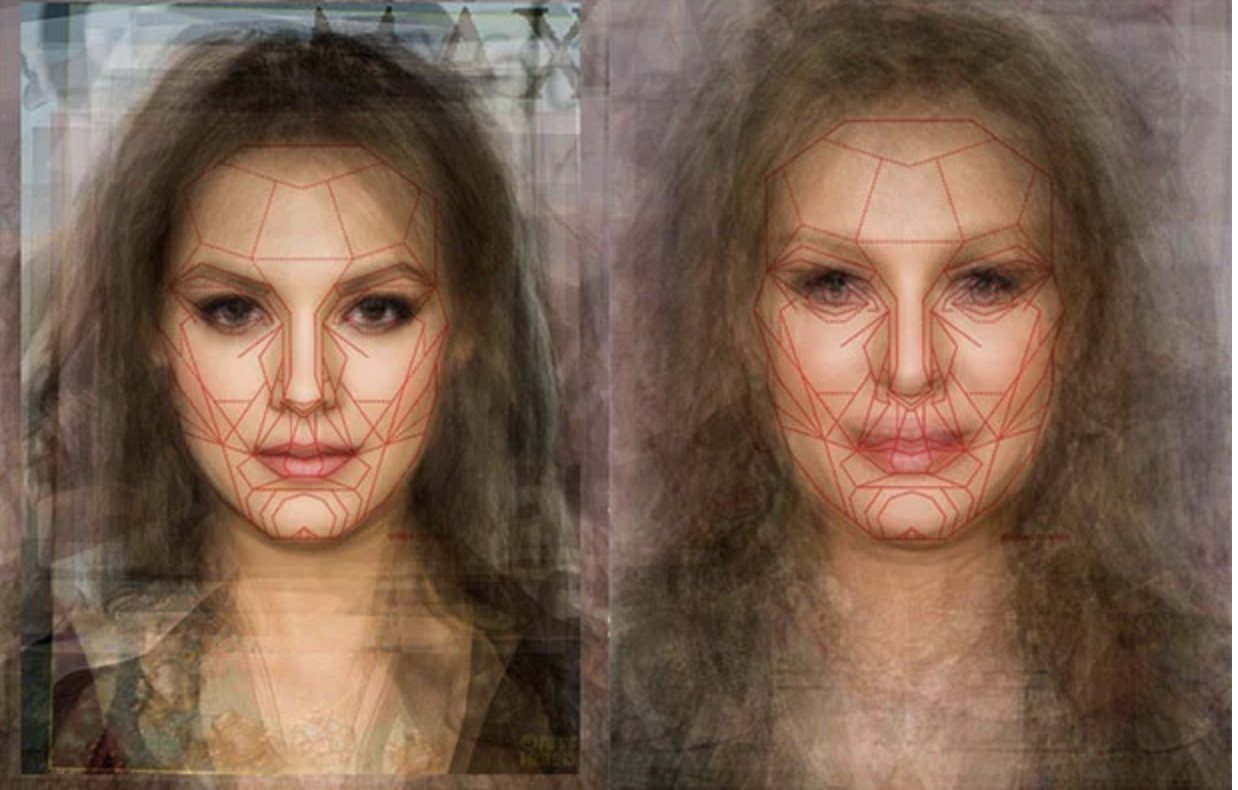
These are composite average faces, meaning dozens of faces layered on top of each other into one.
And now, why this is here. A composite face almost always comes out more attractive than any of the faces it was made from. Layering cancels out the deviations and leaves the average.
If beauty were a matter of taste, this wouldn't work. What's left after layering is a face without developmental deviations. Which is exactly what this whole part argues.
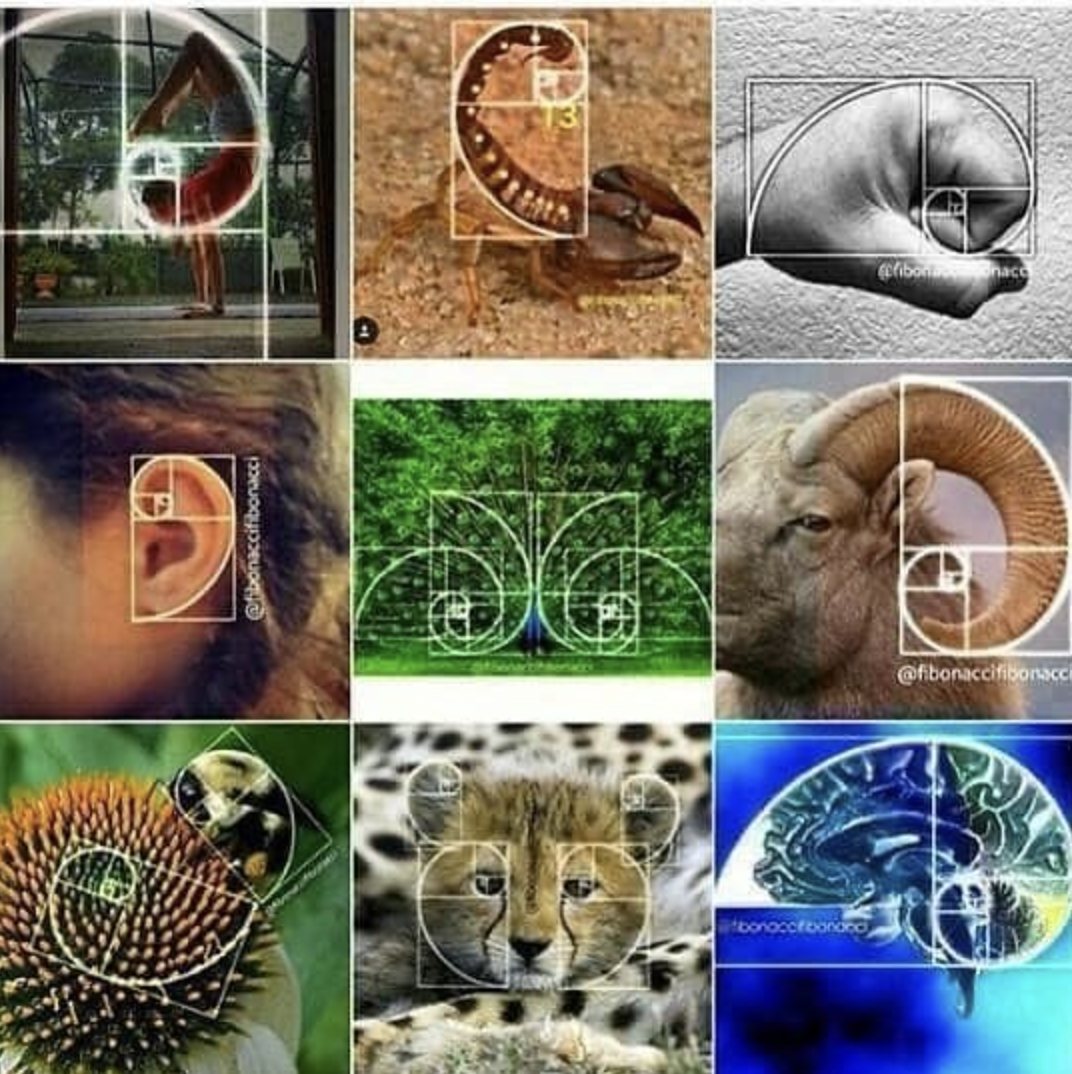
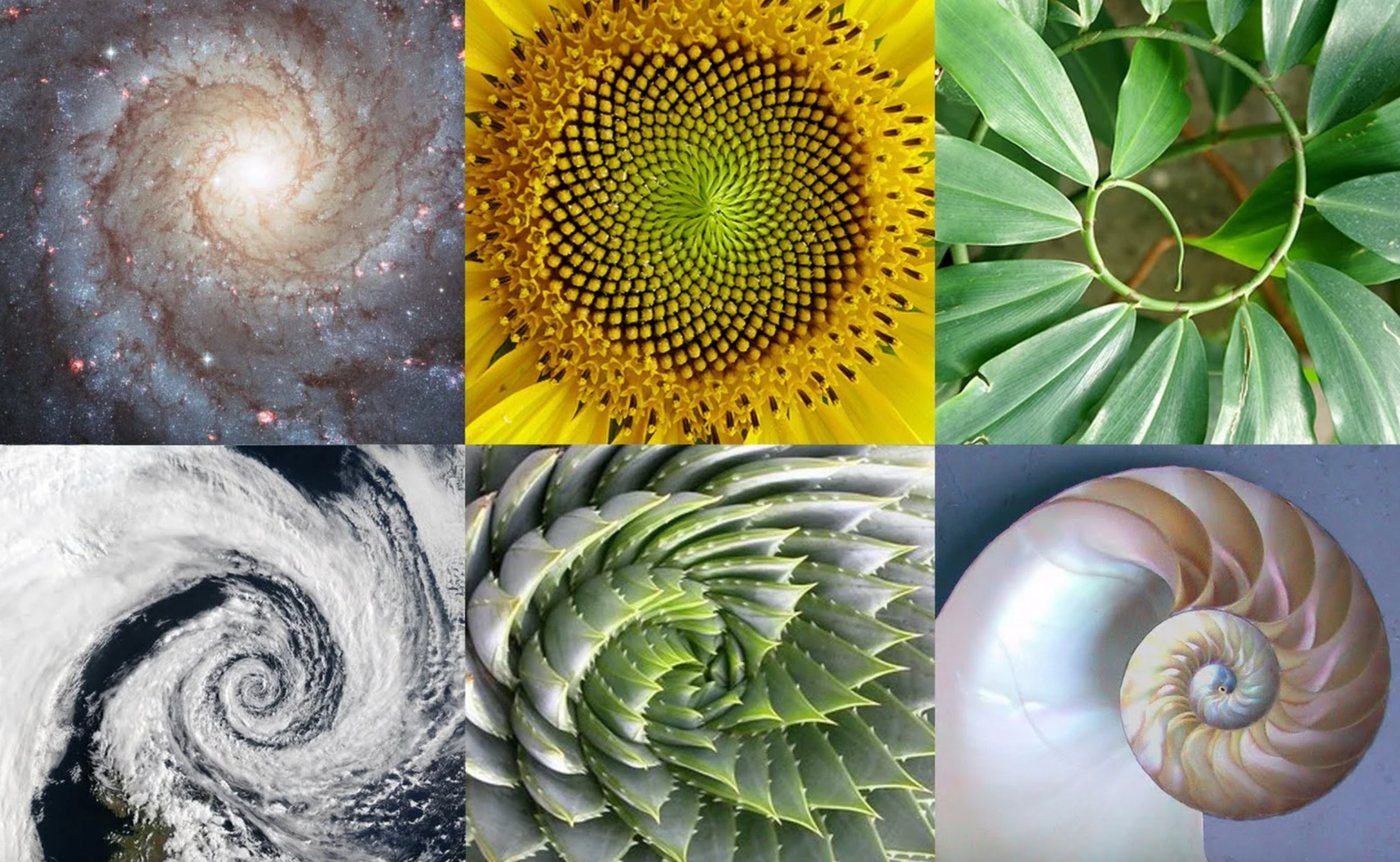
The same math in a shell, a sunflower, a galaxy and an aloe. It backs up the nautilus and the body proportions above.
What the archaeological record shows
The evidence of what full development of the human face looks like doesn't come from today's populations. It comes from bones.
Skulls of pre-agricultural populations show the same picture again and again: a wide maxilla · fully erupted third molars with room to spare · an open nasal airway · a forward-set midface · a wide palate.
And these aren't exceptional individuals. That's the population average.
That's the difference that decides it. When a wide palate is the exception, it's a gift. When it's the average, it's the result of conditions.
What happened with the shift to agriculture
A narrowing maxilla. Impacted third molars. Crowded teeth. And the loss of forward midface projection, which is exactly the recessed profile today's aesthetics tries to correct.
Weston Price photographed it in the 1930s on several continents, and it was the same every time.
The first generation raised on a traditional diet: a fully developed facial structure. Their younger siblings raised on imported industrial food: already a narrowed palate and the beginnings of crowded teeth.
Same parents. Same genes. Different food. Visibly different structure.
This is the strongest piece of evidence in the whole Academy, and it's worth saying why.
It isn't a comparison of two different peoples, where you could object that they're just different. It's a comparison of siblings. The genes objection has nowhere to hide. Price published it in 1939 as Nutrition and Physical Degeneration. To this day those photographs are the clearest record of the difference between a face that got the material and a face that didn't.
His conclusion: the traditional diets were consistently rich in fat-soluble nutrients from animal sources, contained no refined carbohydrates or industrial oils, and carried the full mineral spectrum. That was the material. The modern diet took it away, and the structure was only partly finished.
PART 3 · Bone is the foundation everything else stands on
At the deepest level, looks are bone.
Bone determines cheekbone projection, jaw prominence, forward midface projection and the orbits that frame the eyes. Bone determines height and frame. Bone determines the proportions the human eye reads as attractive.
Everything you put on the surface comes after that.
And bone isn't just mineral
Collagen is the scaffolding the mineral is laid down on. Bone is roughly thirty percent collagen, and its tensile and torsional strength depends on collagen as much as on mineral density.
The building blocks for collagen come from gelatin. Connective tissue, bones, the slow-cooked parts of the animal. In other words, exactly what the industrial kitchen threw out.
Glycine, proline and hydroxyproline are present in gelatin in a ratio that matches the makeup of connective tissue. You won't get them from muscle meat alone.
Which leads to one practical point that sounds almost too simple: bone broth isn't an old wives' remedy. It's the only common source of those three in the ratio the body needs them in.
PART 4 · The four forces that build the face
Facial geometry isn't set at birth.
It's shaped throughout childhood and adolescence, and to some extent throughout life, because the facial bones stay responsive to mechanical load.
There are four of these forces: chewing, swallowing, breathing and resting tongue posture.
Done right a thousand times a day for years, they build. Not done at all, they build nothing.
1. Chewing
It pushes on both the upper and the lower jaw. Hard food creates a load that builds the chewing muscles and remodels the maxilla.
Modern food asks for almost none of it.
And the result is exactly what orthodontics has spent seventy years documenting and correcting with appliances that treat the effect, not the cause: narrow palates, crowded teeth and impacted wisdom teeth where the jaw never grew enough for the teeth to fit.
And one thing almost nobody knows: you should chew equally on both sides. A habit of chewing on one side creates measurable facial asymmetry.
2. Swallowing
Roughly two thousand times a day.
A correct swallow means the tongue presses up into the palate. That's the force that widens the palate.
A faulty swallow pushes the tongue forward against the teeth. Same force, wrong direction. And the result is a palate and teeth that look different and breathe worse at the same time.
3. Nasal breathing
It isn't a preference. It's a condition the whole upper airway is built around.
The nose filters, humidifies and warms the air. In the sinuses it produces nitric oxide, which widens blood vessels and works as an antimicrobial. Air breathed in through the mouth doesn't have it. And it keeps negative pressure in the mouth, which holds the tongue up against the palate.
And throughout growth, that airflow widens the nasal passages and the maxillary sinuses.
Chronic mouth breathing has a documented look: a narrow maxilla, a long lower face, a receding chin, less cheekbone projection and that slightly open-mouthed look at rest that every culture reads as low vitality.
And here's a sentence to remember, because it sums up this whole part:
The face adapts to the route you breathe through. A nose that's used for breathing grows into a nose that can breathe. A nose that gets bypassed shrinks to the minimum, because the forces that would have widened it never came. And you already know how to check where you stand from another part of the Academy. Submodule 3.3.2 uses nasal breathing as a gauge, including how to read your CO2 tolerance and how to improve it.
I won't repeat it here a second time in other words. There it's a tool, here it's used as one of the four forces that build the face. It's the same thing from two sides, and if you want the numbers and the method, go to 3.3.2.
4. Resting tongue posture
At rest, the tongue should sit up, pressed against the palate. The whole tongue, not just the tip.
It's the only one of the four forces that acts continuously, even when you're not eating or talking. And that's why there's the most of it.
PART 5 · Posture and the feet
The same logic applies here as with bone: it's a health signal the eye reads automatically and that can't be convincingly faked.
The tilted pelvis
The most common deviation in the population today. Anterior pelvic tilt, an exaggerated arch in the lower back, a protruding belly.
It isn't a spinal disease. It's a muscle imbalance. Overloaded hip flexors and lower-back erectors, glutes and abs that aren't doing their job. Made by sitting and by a lack of loading in all planes of movement.
And the effect on looks is big: it changes the proportions of the torso, visually takes away height and gives the impression of a weak build no matter what muscle is underneath.
It's fixed with movement, not with a procedure.
The foot is the foundation of the whole structure
The ankle and the foot decide how force from the ground travels upward.
A raised heel limits ankle flexion. A shoe that does the stabilizing for the foot takes away its own job. The result is compensatory movement patterns in the knee, the hip and the lower back.
Walking barefoot on uneven ground isn't nostalgia. It's giving back the inputs the foundation of that structure needs.
PART 6 · Lymph and facial clarity
Lymph is the body's waste network. It collects what the blood capillaries can't take back and carries it off to be filtered.
And it has no pump of its own. It moves through muscle contraction, pressure changes as you breathe and your body moving through space.
When it builds up in the face and neck, this is what it looks like: puffiness, a lost line between the jaw and the neck, puffy under-eyes.
And that's exactly what people try to fix with facial rollers, lymph creams and concealer.
Those things don't fix it. They move the fluid somewhere else for a while and don't improve the drainage that would have kept it from collecting there.
The real causes tend to be systemic: too little fluid, so there's nothing to pull the lymph back · a burden from the gut that raises the load across the whole body · chronic mouth breathing, which disrupts the pressure changes that help drainage from the neck · and too little movement, meaning the missing pump.
Notice that it all comes back to the same four things.
Summary of this part
- People treat better-looking people better, and it starts in infancy.
- What it reads is health. Every feature people imitate is a marker of health.
- Bone can't be made with a cream, a jaw with contouring, posture with a posture corrector.
- Everyone carries the potential. What differs is the conditions, not the potential.
- Physiognomy was abused for racial theories and rightly fell out of favor. The observation underneath wasn't wrong.
- Skulls of pre-agricultural populations have a wide palate as the average, not the exception.
- Price photographed siblings. Same genes, different food, different structure. The genes objection has nowhere to run.
- Bone is thirty percent collagen. Broth is the only common source of those three in that ratio.
- Four forces build the face: chewing, swallowing, nasal breathing, tongue posture.
- Chewing on one side creates measurable asymmetry.
- You swallow two thousand times a day. Tongue up, not forward.
- The face adapts to the route you breathe through.
- A tilted pelvis visually takes away height.
- Lymph has no pump. A roller moves the fluid, it doesn't improve drainage.
- Looks aren't a project. They're a report card.
Your challenge
Two things, and both take less than a minute a day.
Find out where your tongue is. Right now, before you read on. Is it up against the palate, or down? If it's down, you have the answer to a lot of things in this part.
And the second: take a photo of yourself in profile. No editing, no special lighting, no sucking in. Save it with today's date. In a year, when you're breathing through your nose and your tongue is up, you'll take it again.
In the community, you only post the first one. Up, or down.
Why that one: because most people never had any idea the tongue even has a resting position, and because it's the only one of the four forces you change by deciding, not by practicing.
🔬 The skull as a dating method
An archaeologist can tell from a skull whether it's from before agriculture or after
And they can tell by two things: the size, and whether the teeth are straight.
Pause on that, because it's stronger than it sounds.
It doesn't mean you can roughly guess. It means the difference is so regular and so pronounced that it serves as a guide for dating the find.
And that's the whole argument of this part in one sentence.
If facial structure were set by genes, this wouldn't be possible. Genes don't change like this in ten thousand years, because evolution needs hundreds of thousands of years.
What changed in those ten thousand years was the food.
What happened with that change
Cranial capacity shrank. Height dropped. And the growth of the jaws and teeth changed.
And it happened all over the world, regardless of where the population lived or which crop it started growing. That's the kind of agreement that can't be explained by chance.
Bone analyses from that period describe greater physiological stress from malnutrition.
And this is where what's sold today as genetics comes from
Crooked teeth are almost always explained by heredity.
Except today almost every kid needs braces. That isn't heredity. It's the same thing an archaeologist sees on skulls after agriculture arrived, only it's happening now.
And one more thing worth saying out loud. People before agriculture had no toothbrushes, no toothpaste and no cavities. There are still populations today on a mostly animal-based diet who have straight, healthy teeth and have never been to a dentist.
Our society is the most obsessed with perfect teeth in all of history, and also the only one that has to buy them.
Which nutrients they are
Vitamins D and K, calcium, magnesium, potassium, phosphorus and sodium.
And the most absorbable source of all of these is meat, dairy and other animal foods. That's the whole bridge between bone and food, and it's why Module 4 comes before this one.
It's been reported that vegans who had straight teeth saw their teeth start to shift after they cut out animal foods.